 English
 Deutsch
 Italiano
 Japanese
 Русский
 Français

The Development History of Lean Tube Lean tube (also known as wire rod or flexible tube) is a modular assembly system originating from Toyota’s lean production in Japan. Its core advantages lie in flexibility, low cost, and rapid reconfiguration. After four generations of material iterations, it has been widely applied in industries such as manufacturing, warehousing, electronics, automotive, medical, and food. Origin (1960s-1980s, Japan) | |
Intergenerational evolution of materials (from the 1990s to present)
| 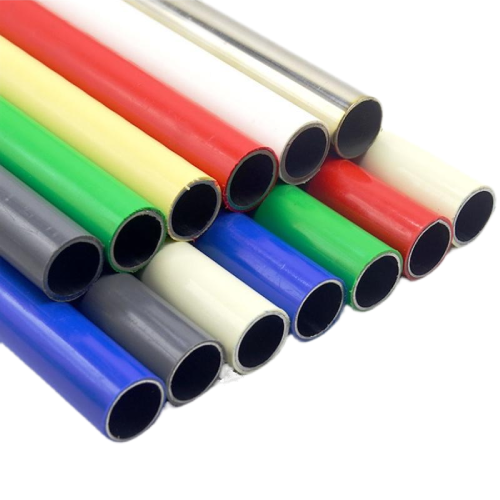 |
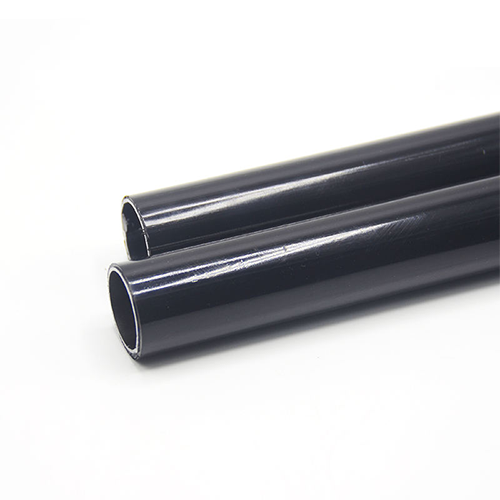 | Second generation (composite lean tube, 2000s): high-strength steel tube + improved PE coating; enhanced wear resistance and anti-static properties; load-bearing capacity of 100–150kg/m; used in medium-load production lines, turnover carts, and electronic workstations. |
Third generation (stainless steel/aluminum alloy lean tube, 2010s) | |
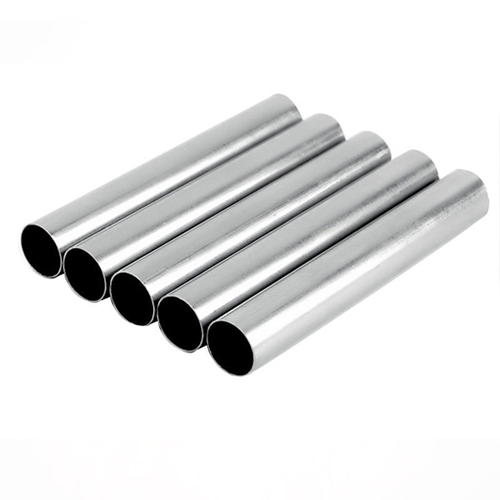 | 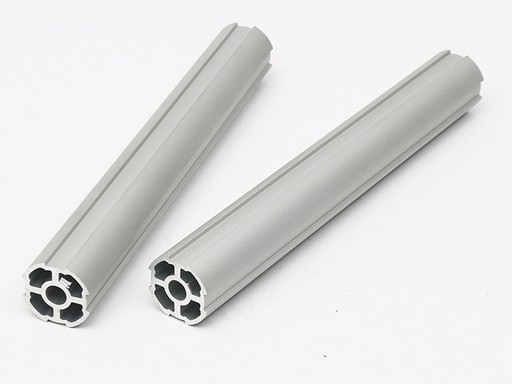 |
The fourth generation (aluminum profile lean tube, 2020s): profile structure + dedicated connectors; higher strength, stronger modularization, and integratable slot positions; used for intelligent factories, automated production lines, and AGV supporting brackets. | 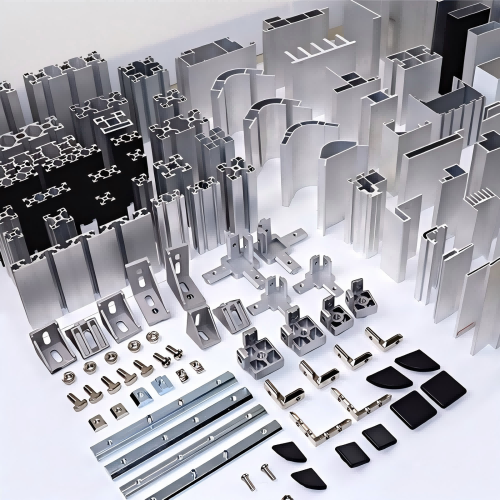 |

The Development History of Lean Tube
2026-04-22 Visits:310